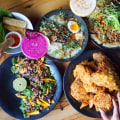
Houston has long been recognized for its diverse food culture, but in recent years, food trucks and mobile vendors have emerged as powerful forces shaping the city’s culinary identity. While traditional restaurants continue to play a major role in Houston’s dining landscape, mobile food businesses have introduced a level of flexibility, creativity, and accessibility that is transforming how residents and visitors experience local cuisine. These businesses are no longer viewed as simple alternatives to brick-and-mortar establishments. Instead, they have become influential contributors to the city’s reputation as one of the most exciting food destinations in the country. By bringing unique flavors directly to neighborhoods, festivals, business districts, and community events, food trucks are helping redefine what dining in Houston means.
Expanding Access to Diverse Flavors
One of the most significant ways food trucks are reshaping Houston’s culinary reputation is by increasing access to diverse cuisines. Houston is home to people from countless cultural backgrounds, and mobile vendors often serve as an entry point for culinary traditions that may otherwise be less visible. Entrepreneurs can introduce authentic regional dishes without the substantial overhead costs associated with opening a traditional restaurant. As a result, diners gain opportunities to explore new flavors from around the world while supporting small local businesses. This accessibility encourages culinary experimentation and helps create a food scene that reflects the city's multicultural population.
Supporting Local Entrepreneurs
Food trucks have also become an important pathway for aspiring chefs and business owners. Opening a restaurant often requires significant financial investment, making it difficult for many talented individuals to enter the industry. Mobile food operations provide a more attainable starting point, allowing entrepreneurs to test concepts, build customer loyalty, and refine menus before expanding. Many successful Houston restaurants began as food trucks, demonstrating how the mobile food industry serves as an incubator for innovation. This entrepreneurial environment contributes to a dynamic culinary ecosystem where new ideas can flourish and where consumers constantly discover fresh dining experiences.
Creating Community Through Mobility
Another advantage of food trucks is their ability to bring people together in a variety of settings. Whether gathered at parks, local markets, sporting events, or neighborhood festivals, residents often view food truck gatherings as social experiences rather than simply dining opportunities. The mobility of these vendors allows them to reach areas that may have limited restaurant options, creating shared community spaces centered around food. Their presence can help activate underutilized public areas, support local events, and encourage residents to engage with their neighborhoods in meaningful ways. This flexibility strengthens Houston’s reputation as a city that embraces both culinary diversity and community engagement.
Behind-the-Scenes Operations and Long-Term Impact
While customers often focus on the food itself, successful mobile food businesses rely on careful logistics and operational planning. From maintaining equipment to coordinating travel schedules and event participation, vendors must manage numerous responsibilities to ensure smooth service. Reliable resources, including power management and generator fuel, play a crucial role in supporting food trucks during long events and outdoor operations. These behind-the-scenes considerations allow vendors to consistently deliver quality experiences while adapting to Houston’s fast-paced event culture.
As Houston continues to grow, food trucks and mobile vendors are likely to become even more influential in shaping the city’s culinary future. Their ability to foster innovation, support entrepreneurship, celebrate cultural diversity, and create community connections has elevated them from niche businesses to key contributors within the local food industry. Through their mobility and creativity, these vendors are helping establish Houston as a culinary destination that values accessibility, experimentation, and authentic cultural expression.